Computer Science Researcher & PhD Student
Hi, I’m Stephanie Murray, a researcher and PhD student in Computer Science at the University of Hawai‘i at Mānoa. My work focuses on machine learning, data analysis, and algorithm development, with research interests in large-scale biological datasets and phylogenetic methods.
I have experience developing analytical pipelines for complex datasets, including work in biomedical signal processing during my master’s thesis. I’m interested in creating computational approaches that make challenging, high-dimensional data more accessible and interpretable.
I enjoy working on meaningful problems, learning from new ideas, and exploring creative solutions in computer science that can have a positive impact.
Updated: April 2026
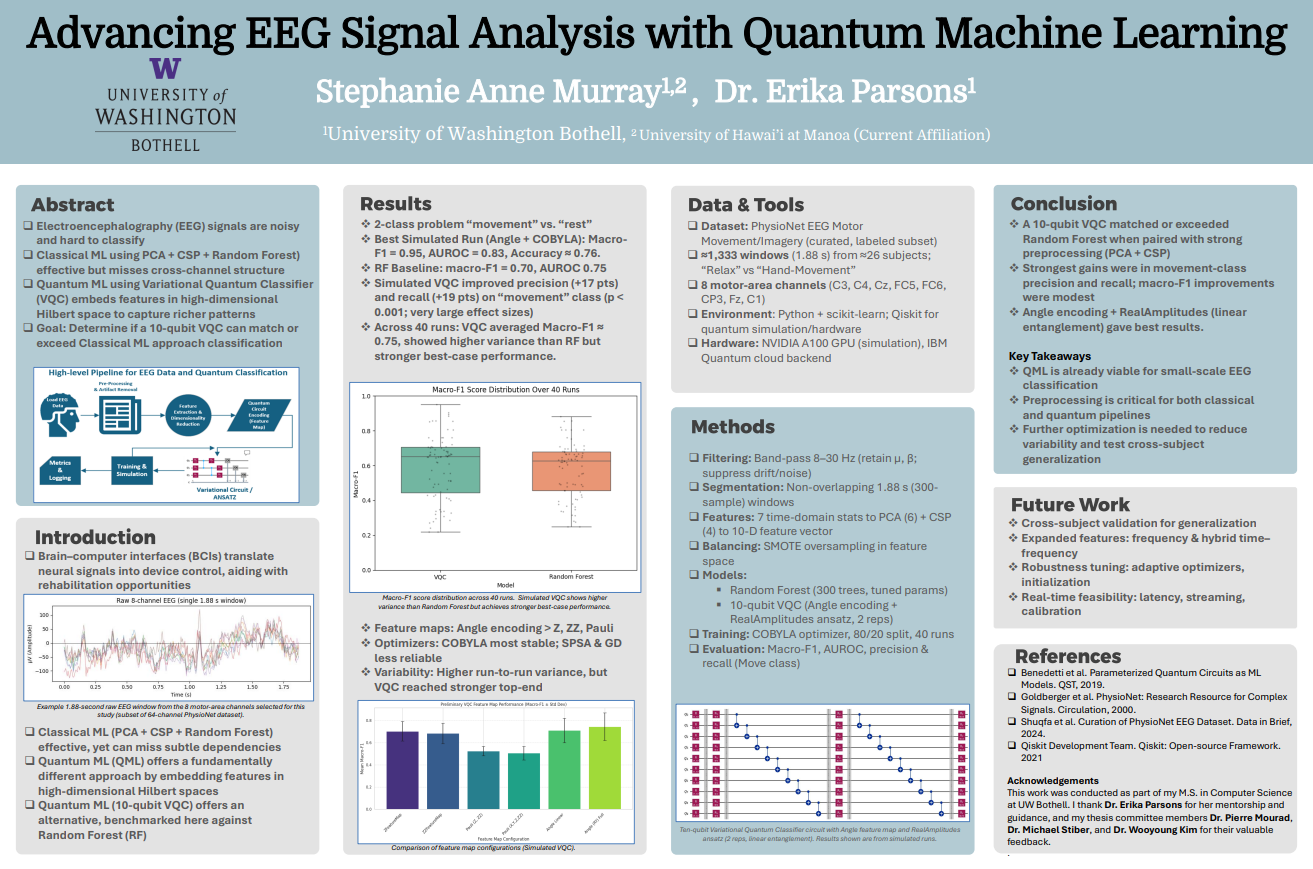
I presented my master’s thesis poster, Advancing EEG Signal Analysis with Quantum Machine Learning, at Supercomputing 2025 (SC25) in St. Louis. The poster summarized results from my written thesis comparing variational quantum circuits to a tuned Random Forest baseline.
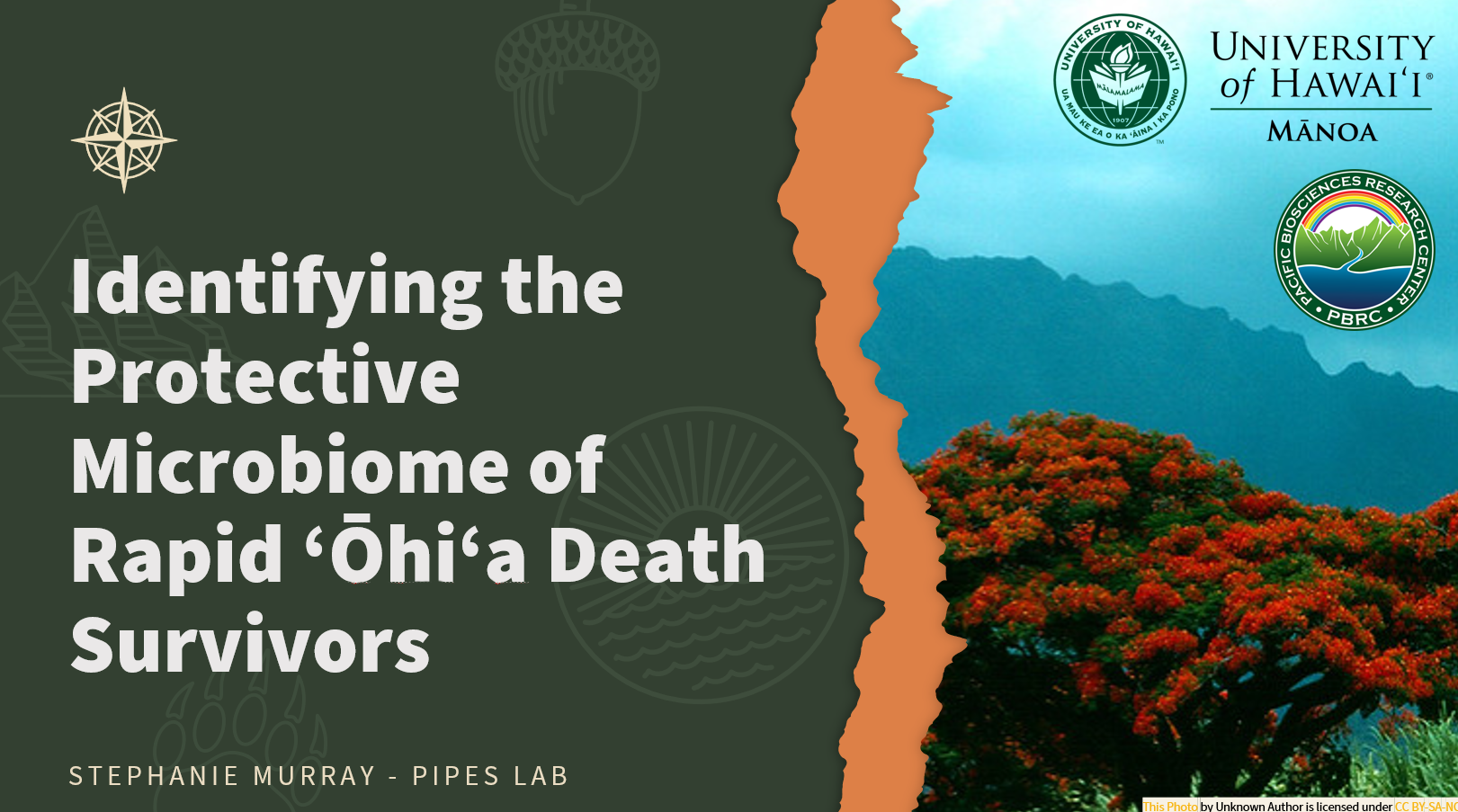
Received the Michael Bruno Award for Excellence in Microbiome Science through the C-MĀIKI #MahiMicrobe2025 program for a proposed Rapid ‘Ōhi‘a Death microbiome project focused on comparing microbial communities from surviving and infected trees using amplicon sequencing, computational biology, and machine learning, in collaboration with Dr. Lenore Pipes.
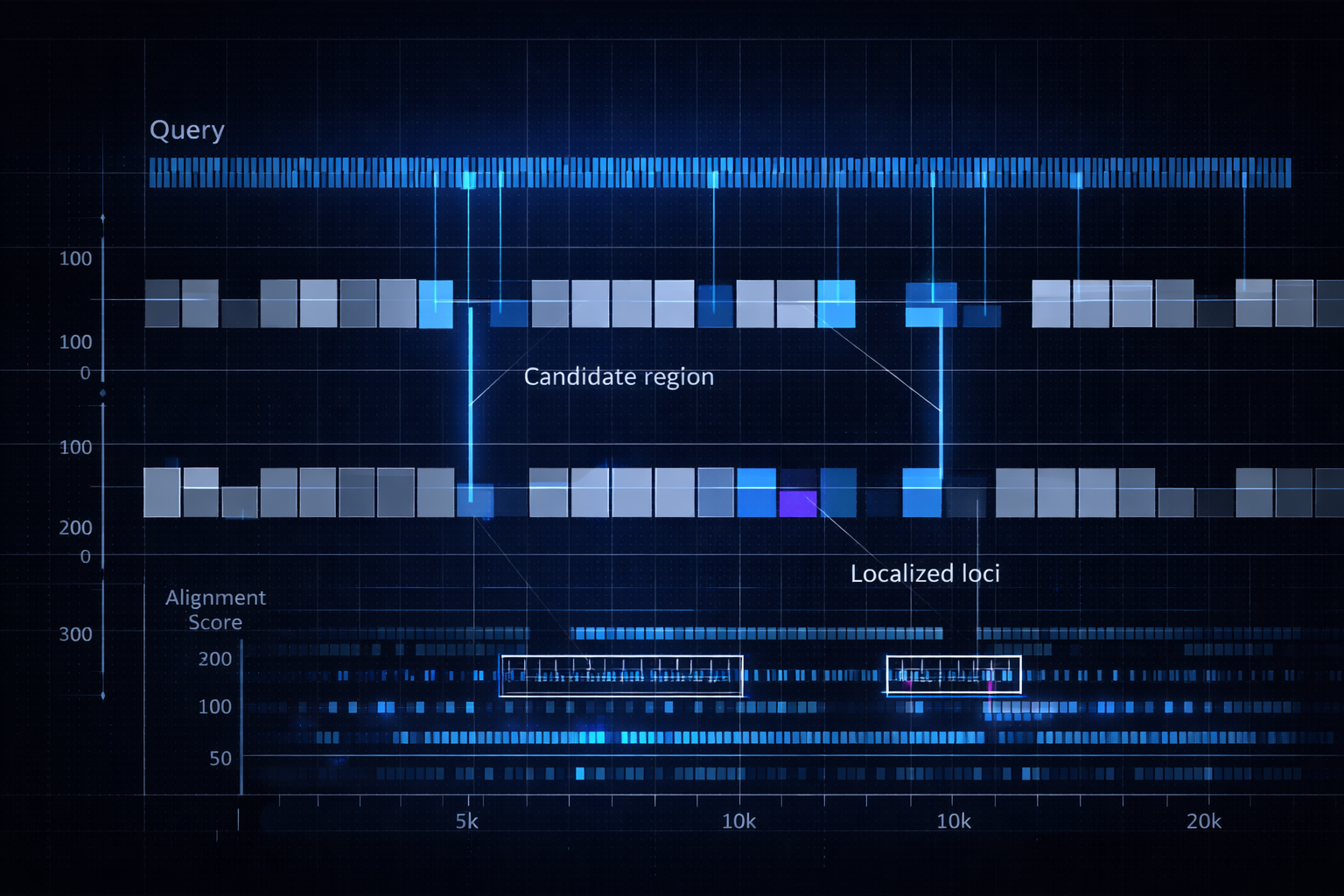
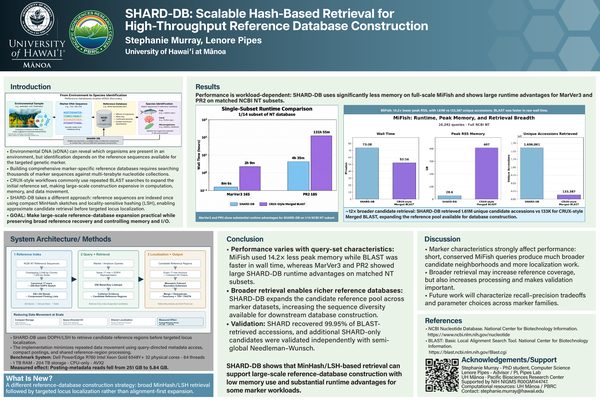
Under the supervision of Dr. Lenore Pipes at UH Manoa I have designed and developed SHARD-DB. SHARD-DB is an alignment-free reference database construction project for large nucleotide collections. The work is a combination of bioinformatics and high-performance computing, with a focus on making database generation more scalable than traditional BLAST-heavy approaches. Instead of relying on exhaustive expansion and downstream filtering, SHARD-DB uses a retrieval-first strategy to identify promising regions efficiently before refining candidate loci for database construction. The broader goal is to make reference database building faster and more practical for high-throughput metabarcoding workflows. Full methodological details are still in preparation, but early results are promising. My initial results suggest that SHARD-DB significantly reduces runtime relative to existing reference database construction pipelines while maintaining practical utility for high-throughput workflows. Currently in final testing.
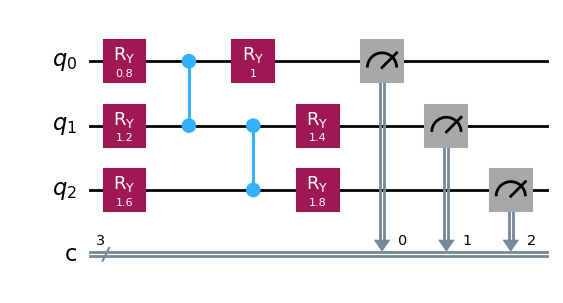
This 103-page thesis investigates the application of Variational Quantum Circuits (VQCs) for classifying EEG signals. The work integrates quantum computing methods with classical preprocessing to improve classification performance for movement-related brain activity, using both simulation and real quantum hardware tests.
Across 40 experimental runs, the VQC achieved higher precision and recall than a tuned Random Forest baseline, demonstrating that compact quantum models can match or exceed classical pipelines for certain biomedical signal processing tasks.
Methods Used: Variational Quantum Circuits, classical preprocessing (band-pass filtering, PCA, CSP), and gradient-free optimization (COBYLA) for training quantum models.
Full thesis available via ProQuest now!.
Worked in a team in conjunction with MXTReality to create a VR application simulating LHON (Leber Hereditary Optic Neuropathy) disorder using Unity and Oculus SDK. Focused on accessibility and assistive technology, promoting empathy and understanding of visual impairments through immersive experiences.
Methods Used: Unity game engine, VR development (Oculus SDK), and accessibility design principles.
Email: contact at stephaniemurray dot org
LinkedIn: linkedin.com/in/s-a-murray